Some people get so good at carry so much that we stop noticing how much they’re actually carrying.
Throughout my career and my life, I have had the absolute privilege of meeting, getting to know, and sharing journeys with some extraordinary people. They are the kind of people who seem capable of carrying almost anything life throws at them. Career pressures, family responsibilities, health challenges and caring for others. They keep showing up, giving and somehow, they keep going.
The OG strong person… my mum!
My first experience of someone like this was my mum. If you knew her, you’d probably describe her as one of the strongest people you’d ever met. And she was! She was a wife, a mother, a nurse, a partner to my dad in running our family farm, a counsellor to many, a grandmother and a friend. She quietly carried more than most people ever realised.
I watched her navigate fires, droughts, raising a family, caring for patients and supporting everyone around her. Then, in the later years of her life, I watched her carry something even heavier: Parkinson’s disease and the cruel dementia that eventually took her from us.
Looking back now, I probably didn’t even realise, and I guess I will never really ever know, just how much she carried – because she never really let us kids see that. But I don’t think she was extraordinary because of how much she carried. I think she was extraordinary because she kept choosing to show up despite what she was carrying.
But I also have to wonder, how much lighter some of those years may have felt had she allowed others to carry just a little more with her.
Over the years I’ve met so many people like Mum. People who are incredibly capable. The people everyone goes to, who somehow seem to hold families together no matter what life throws at them. While at the same time, holding teams together and businesses together. You know them – they are the people who always say,
“I’m fine.”
or
“No problem, I’ve got this.”
even when they’re anything but fine and really don’t feel like they have “got this”. And these are often the very people who find it hardest to ask for help.
This got me thinking about the loads we carry and what sits in, around and underneath this.
The power of a word… why “help” can sometimes feel triggering
A few months ago, I wrote about The Power of… asking for help. The more I’ve thought about it, the more I’ve realised that perhaps it isn’t actually help that many of us struggle with, maybe it’s what the word brings up for us.
For some fiercely independent people (and yes, I include myself in that group) where being independent and strong is often one of our core values, asking for help can quietly feel like someone is needing to rescue us. It can feel like someone is needing to step in because we aren’t coping. And this can sometimes trigger an old story:
“If I need help, I’ve failed”
perhaps a limiting belief that has quietly developed within us. Rationally we know that isn’t true, but beliefs are powerful.
Support is different. Support isn’t about someone rescuing us, fixing us or taking over. It isn’t a judgement on our capability or our ability to cope. It’s simply someone walking beside us and saying “
I’ve got you. You don’t have to carry this part on your own”
while we continue carrying the load.
The cargo ships of our lives
I had a recent discussion with one of these extraordinary, strong and capable people, who does an exceptional job of carrying an enormous load. As we explored the difference between help and support, a picture suddenly came into my mind. A cargo ship!
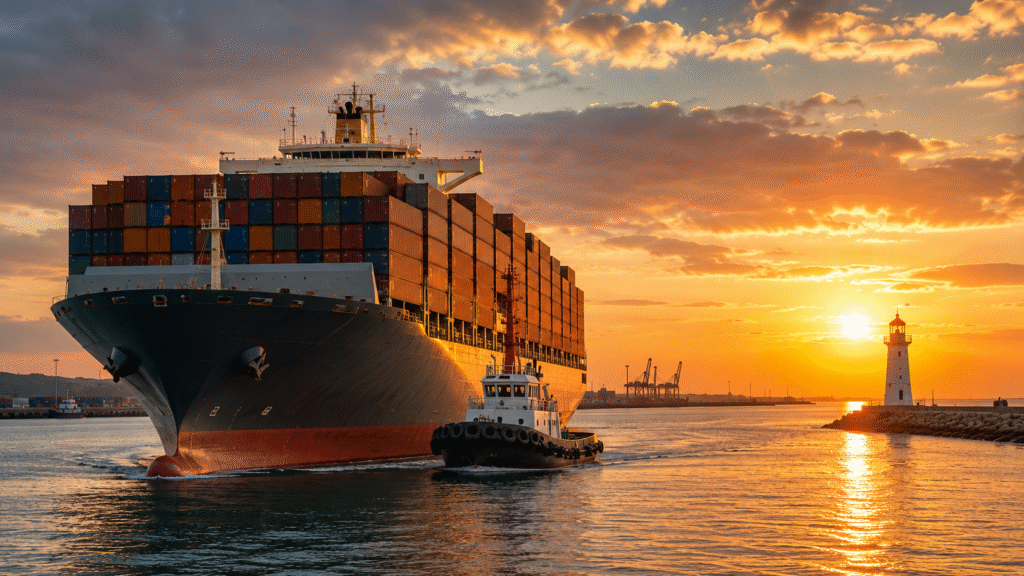
Hear me out… imagine a huge cargo ship crossing rough seas. It is immensely strong and built to carry enormous loads. But even the strongest ship cannot do everything alone. It still needs deep harbours, tugboats and harbour pilots, lighthouses and calm waters of the harbour.
The containers represent the responsibilities we carry. Sometimes they are stacked well and sometimes they aren’t and risk tipping the ship over. Sometimes the seas are calm while at other times, the storms arrive without warning.
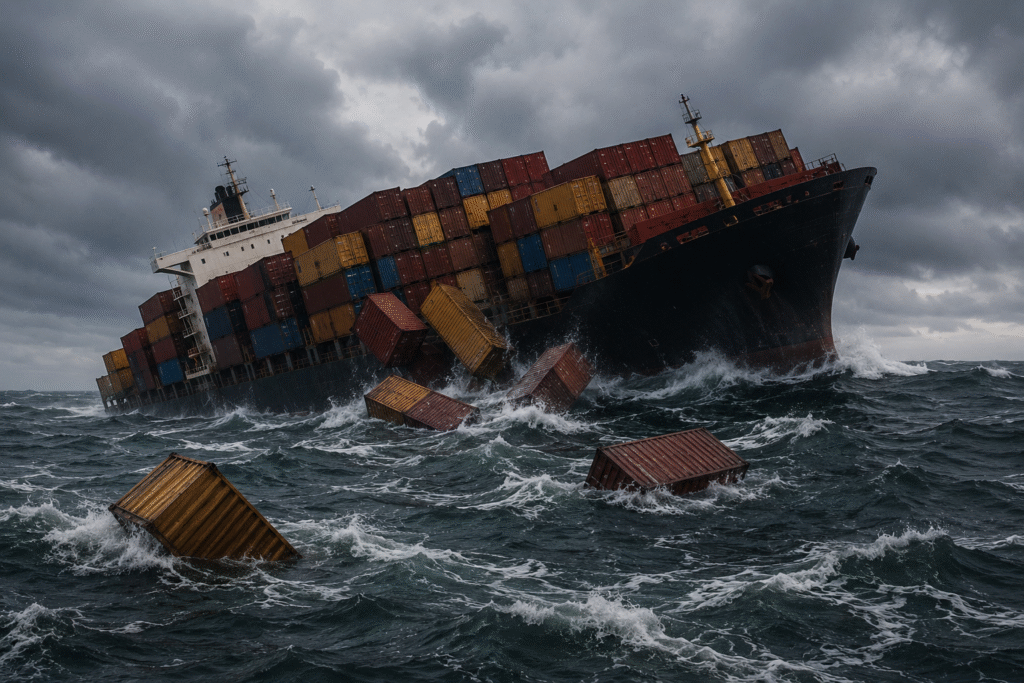
None of us carry exactly the same cargo, and comparing loads is never helpful. My load may not look heavy compared to what someone else is carrying, but it doesn’t mean it doesn’t feel heavy to me.
The tugboats and harbour pilots are our family, friends, colleagues, mentors and professionals who gently push and pull us. They use their experiences and knowledge of the area to guide us to through difficult waters. The lighthouse is the person who can see the rocks and other dangers we can’t. And the harbour is the safe place where we can unload, rest, regroup and regain our strength before heading back out to sea.
Maybe that’s why the findings from the Harvard Study of Adult Development (Harvard Study of Adult Development: https://adultdevelopmentstudy.org/) resonated with me so deeply. After more than 85 years of following people’s lives, the researchers reached a surprisingly simple conclusion… the quality of our relationships is one of the strongest predictors of both happiness and long-term health.
And this is not because relationships remove our burdens, but because they stop us carrying them completely alone.
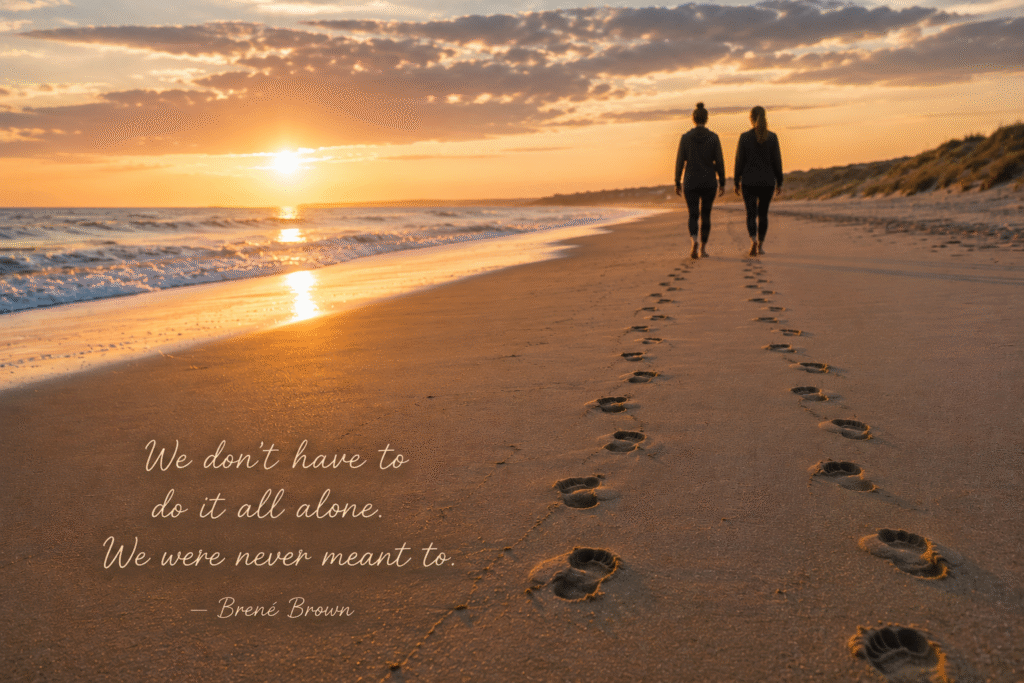
As Brené Brown reminds us:
And here’s the paradox, if someone you cared about needed support, my guess is you wouldn’t hesitate. Yet why do we still often struggle to believe others would willingly do the same for us.
As you continue sailing your own cargo ship of life, remember:
∞ The strongest ships still need safe harbours, tugboats and harbour pilots: strength and support were never meant to compete with one another. They are two sides of the same coin.
∞ Support isn’t about someone carrying your cargo for you: it’s about making sure you don’t have to navigate every storm alone and using the wisdom and experience of others to get you safely into harbour.
∞ The quality of the people around you will often determine how safely you navigate life’s roughest waters: invest in those relationships before you need them.
∞ Don’t deny someone the opportunity to support you: if you would willingly support someone you care about, don’t deny them the opportunity to do the same for you. The other side of giving is receiving.
∞ Sometimes the strongest thing you can do isn’t proving you can carry the load alone: it’s allowing someone to support you to steady the ship and navigate it into safe waters.
Closing thought
If you’re someone who has spent a lifetime being strong for others, let me start by saying this:
You’re doing an incredible job. Keep going!
Please don’t mistake what I’m saying as suggesting you should carry less, care less or become less independent. I’m suggesting something much simpler.
Allow yourself the same generosity you so readily extend to everyone else.
Because seeking support doesn’t diminish your strength, it protects it. It is what will allow you to keep showing up – for yourself and for the people who matter most. It is what will enable you to keep sailing your ship.
Let me leave you with a few questions…
❓ How is your cargo ship travelling?
❓ Is your cargo still stacked in a way that serves you?
❓ Is it time to keep sailing exactly as you are… or is it time to let a tugboat come alongside, head into harbour for a while, or allow someone to help guide you safely through the fog?
After all, even the strongest ships weren’t designed to navigate every ocean alone and ships are meant to return to harbour from time to time.
About “The Power of…” newsletter series
These newsletters are a way for me to share practical reflections, insights and tools on what really matters – because sometimes it’s the smallest changes that shape our careers, leadership, relationships and lives.